Technical Translation Services: How to Choose a Provider Who Understands Your Product
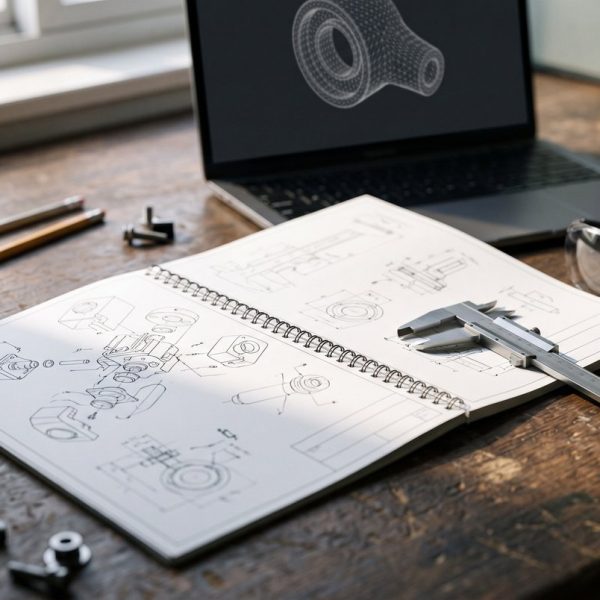
A pump manual that says "tighten until firm" in English can become a safety problem when it is rendered carelessly in another language. Anyone who has handled product documentation knows that the stakes are not abstract. Good technical translation services protect your customers, your warranty obligations and your reputation, and the difference between a competent provider and a merely cheap one usually shows up long after the invoice is paid.
Choosing well starts with understanding what makes this work different from ordinary translation. This guide walks through what to look for, which questions to ask, and how to set your own team up so the final result reads as if it had been written for local engineers and operators from the start.
What technical translation actually covers
The term sounds narrow, but it spans a wide range of material: user guides, installation instructions, data sheets, maintenance schedules, safety notices, patent filings, software strings and training content. What these documents share is a need for precision. Readers are not looking for style, they are looking for instructions they can follow without guessing. For a useful overview of the field, the entry on technical translation explains how it grew alongside industrial documentation.
That precision is why a general translator, however fluent, is rarely the right person. A specialist knows that a "bearing" in a gearbox is not the same thing as a "bearing" in navigation, and that a regulation may require a specific phrase rather than a natural-sounding one. Subject knowledge matters as much as language skill.
Questions to ask before you hire
Start by asking who will actually do the work. Reputable providers can tell you the background of the linguists assigned to your project, whether that is mechanical engineering, electronics, pharma or IT. Ask for a short paid sample on a real page of your documentation. A sample reveals more than any brochure, because you can hand it to a native-speaking engineer on your side and see whether the terminology holds up.
Next, ask about process. A solid workflow includes translation by a specialist, review by a second linguist, and a final check against your reference materials. If a vendor describes only a single pass followed by a spell check, treat that as a warning. Ask too how they handle queries. Source documents are full of ambiguities, and a good translator will send questions back rather than quietly guess.
Finally, ask about confidentiality. Technical files often contain unreleased designs or proprietary methods. You should expect signed non-disclosure terms, secure file transfer and clear rules on whether machine translation tools are used on your content.
Terminology and consistency are where quality is won
If you remember one thing, make it this: build a glossary before the first page is translated. A termbase that lists your product names, component names and preferred target-language equivalents prevents the drift that makes manuals confusing. When one page calls a part a "valve housing" and the next calls it a "valve casing", the reader cannot be sure whether these are two parts or one.
Translation memory tools help here by storing approved sentences and reusing them across updates. This keeps wording consistent from one release to the next and usually lowers cost on repeat work, since repeated segments are charged at a reduced rate. Ask your provider whether they work this way and whether you will own the memory and glossary at the end of the project. You should.
Technical manual translation and the export question
Many companies first look for help when they are about to ship equipment abroad. Technical manual translation is often a legal requirement as well as a courtesy, because machinery and consumer products frequently need instructions in the language of the destination country. Missing or poor documentation can delay customs clearance or void liability protection. If you are preparing machinery for new markets, the practical advice in this piece on specialist technical translation services for machinery manuals shows how one team approaches the problem.
Cost, speed and what to expect
Prices for specialist work are higher than for general text, and that is reasonable. You are paying for subject knowledge, a review step and tool support. Be cautious about quotes that sit far below the rest of the field, because corners get cut in the review stage first. Speed is similar: a rush job on a dense specification invites errors, so share your schedule as early as you can and send source files that are final rather than draft.
It helps to prepare your documents before sending them. Clean up unclear sentences, spell out abbreviations on first use, and supply editable files rather than scanned PDFs. Clear source text can cut both cost and turnaround noticeably. If you want to see how the profession discusses these trade-offs, the translator community on Reddit is a lively place to read real-world experiences, though it is no substitute for vetting a provider directly.
Putting it together
The best partnerships feel like an extension of your own documentation team. They ask sharp questions, keep a living glossary and flag problems in the source before they turn into errors in ten languages. To see why this discipline matters across industries, read why technical translation matters for a broader look at the risks of getting it wrong.
When you compare technical translation services, weigh evidence over promises: sample work, named specialists, a documented review process and a clear policy on data. Do that, and your manuals will do their quiet job of keeping users safe and your support inbox calmer, in every market you enter.